
أخبار الكلية
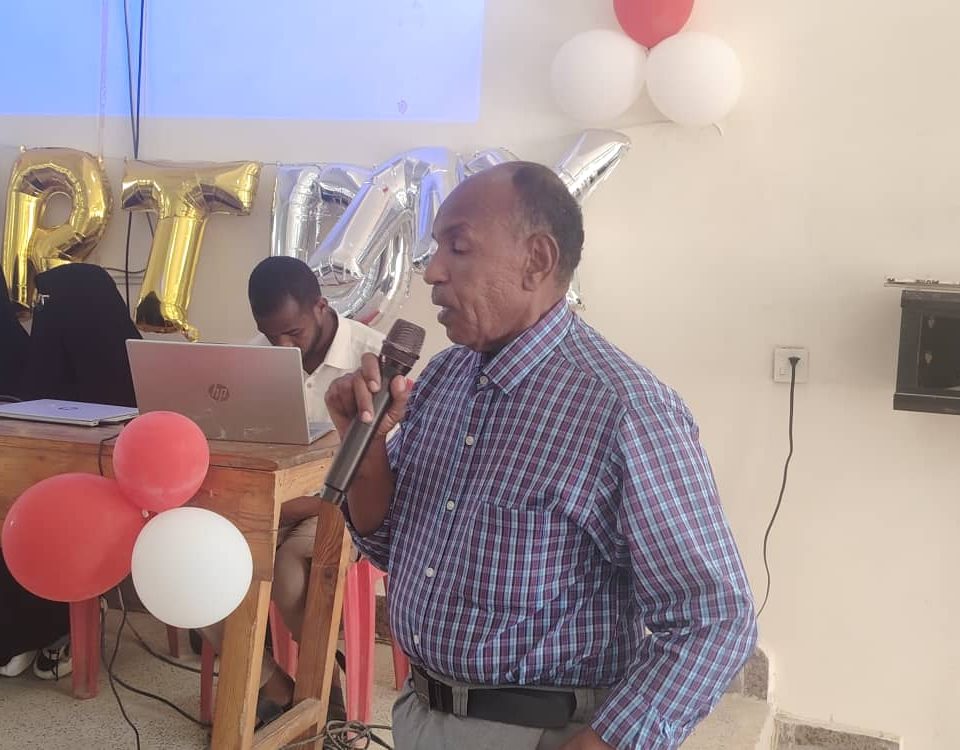
كلمة عميد الكلية
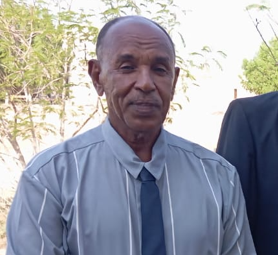
الدكتور/ عبدالفتاح إبراهيم كرار
عميد الكليه
نبذه عن الكلية
- -To teach medical students to be physicians; and to provide such learning experiences as will inspire all medical graduates of the school to be prepared to practice medicine at the highest standards, serving all individuals and societies in the pursuit of health
- To deliver medical services to the local community by the staff members through different health institutions.
- Training of the staff, students, health workers of the local community about research methodologies to conduct scientific researches(detect, treat and prevent local health problems.
- Health education of the local community (general health problems, primary health care.
- Promotion of standards of paramedical staff (nurses, midwifes, health workers and others) by long and short training courses and programs.
- to conduct researches by the staff and students about the local and regional community health problems.
- Collaboration with national and international organizations to put planes and strategies for promotion of health servicesof different communities
The curriculum structure of the School
- Type of curriculum- hybrid community oriented
- Duration of the study – 6 years.
- Divided into 12 semesters.
- Duration of each semester 15 weeks (excluding examination period)
- Total weight of credit hours = 251 hours.
- University requisites include (Arabic language, Islamic culture, Sudanese culture, English language) with total credit hours of 24 hours , (6 hours for each. First year
- General sciences (chemistry, medical physics, biology, biostatistics, social and behavioral sciences, computer sciences) in the first year with total credit hours of 16 hours.
- Basic medical sciences from 3rdto8th semesters.(anatomy,physiology,biochemistry,pathology.microbiology,pharmachology)==97 hours
- Basic clinical subjects in the last six semesters.(medicine, surgery, pediatrics, Obstetrics and gynecology and the associated subspecialty subjects)104 hours
- Community medicine taught in longitudinal form.) =10 hours
Broad competencies (Knowledge, skills and attitudes) required of students at graduation:
- Knowledge.
The Medical School will ensure that all graduating students demonstrate, to the satisfaction of the faculty, the following
1.Knowledge of normal structure and function and embryonic development of the body.
- Knowledge of the molecular, biochemical, and cellular mechanisms regulating homeostasis.
- Knowledge of molecular, biochemical, and cellular mechanisms underlying the pathology of diseases.
- Knowledge of pathologic changes in structure and function of organ systems as a result of disease.
- Knowledge of scientific methods to investigate the causation of disease and evaluate efficacy of traditional and non-traditional therapies.
- Knowledge of mechanisms of drug action, pharmacokinetic parameters, pharmacodynamics, and pharmocotherapeutics.
- Skills for life-long learning.
- Knowledge of the psychological, social, or cultural factors that may significantly impact health.
- Skills
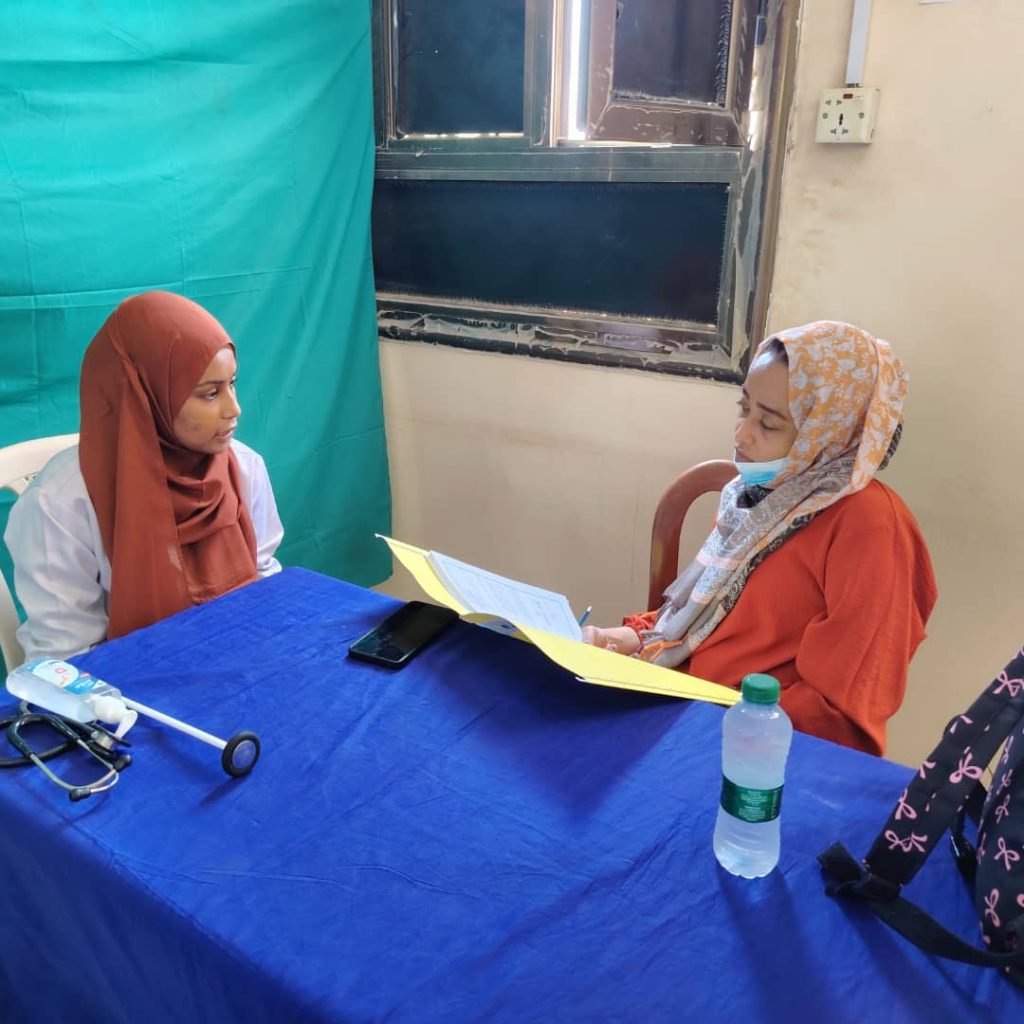
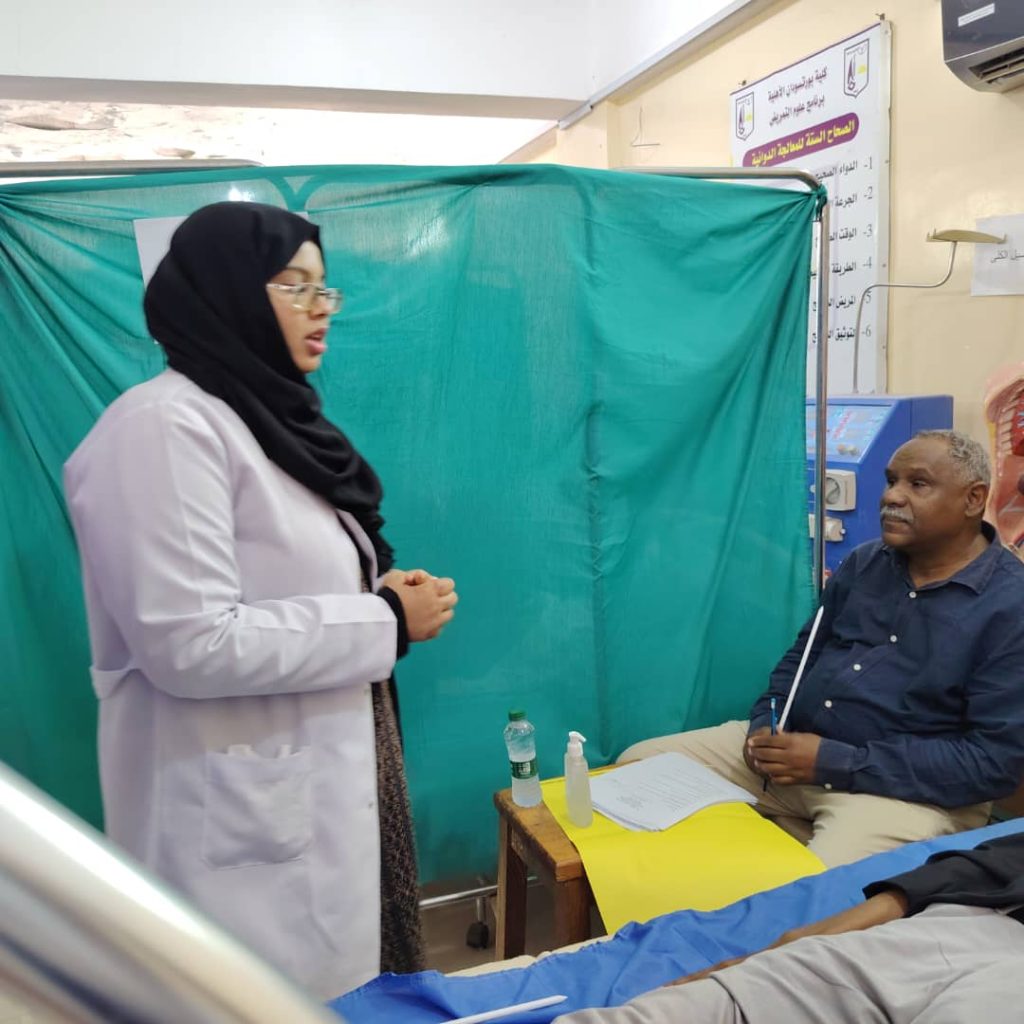
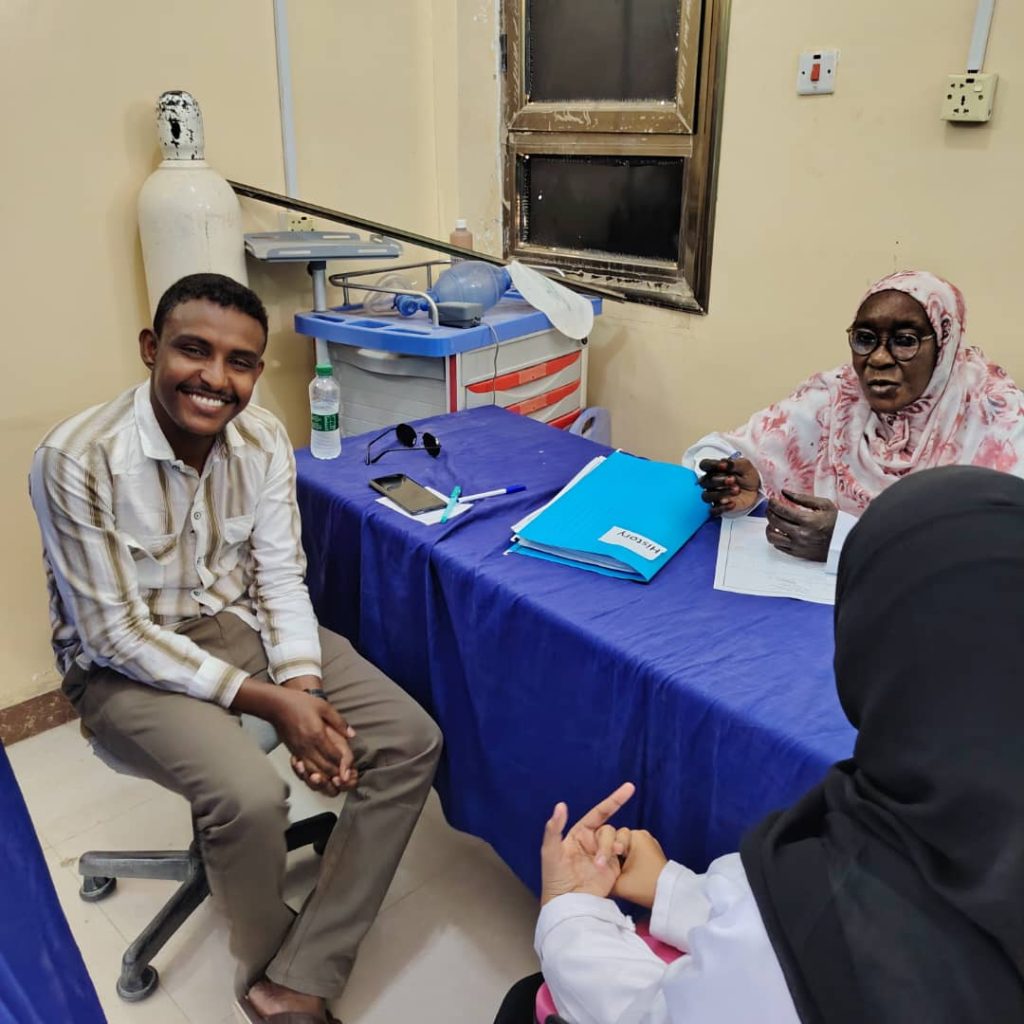
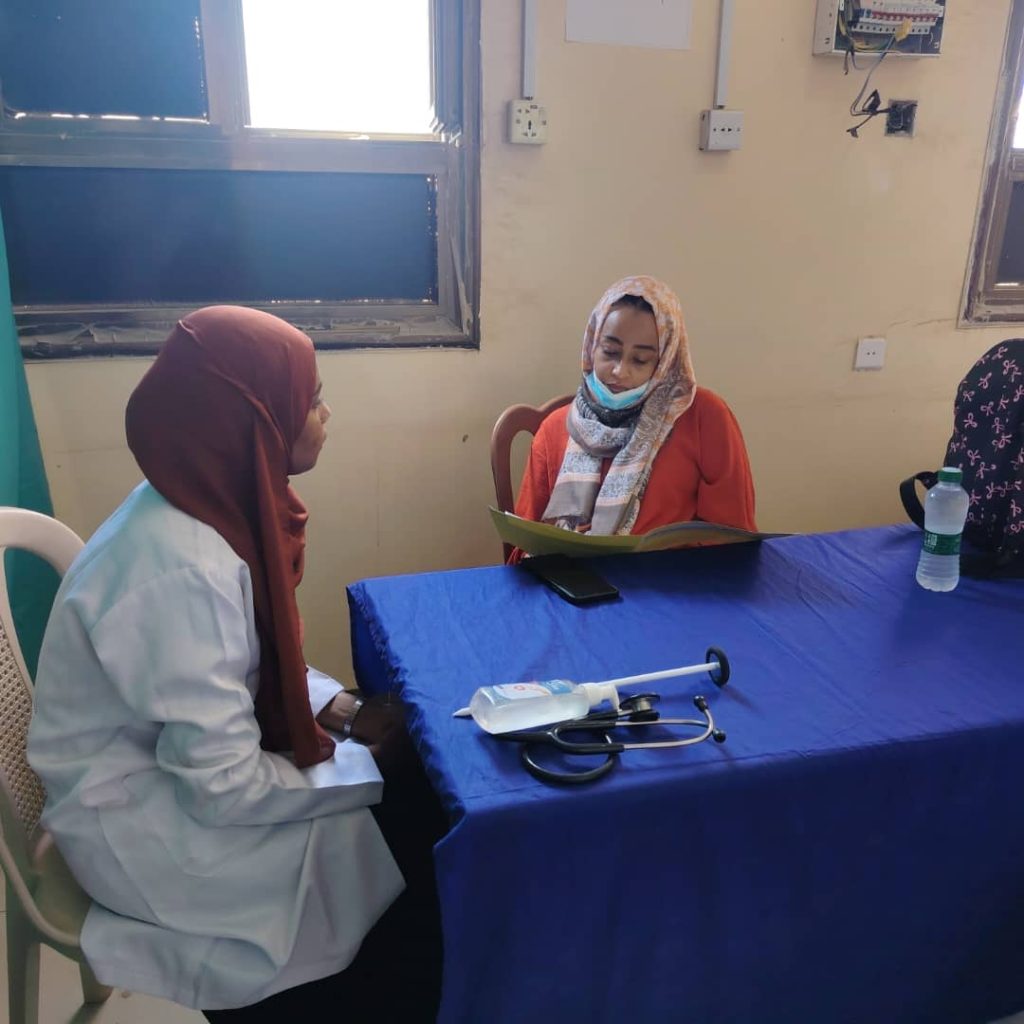
- The ability to obtain an accurate medical history that covers relevant and essential aspects of the history, including issues related to age, race, gender, culture, sexuality, and socio-economic status, while recognizing and addressing any barriers to communication.
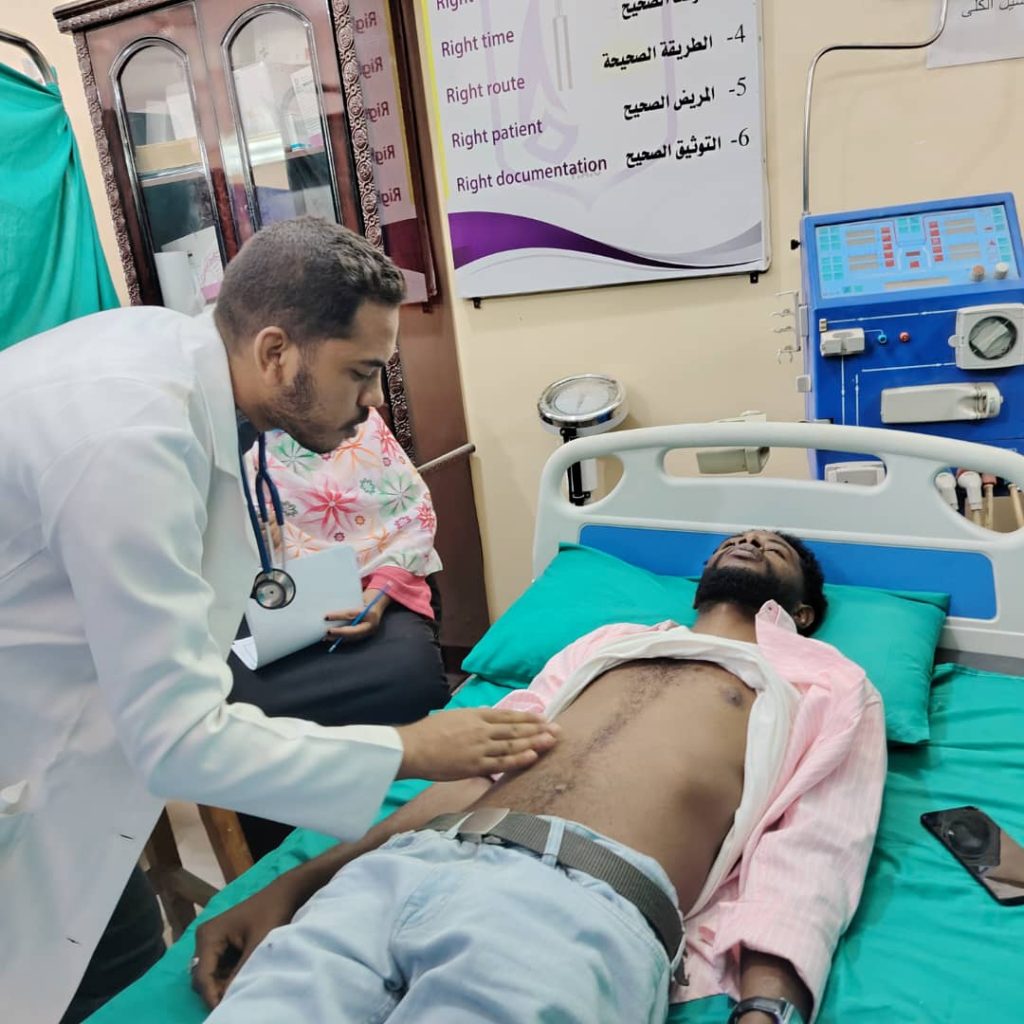
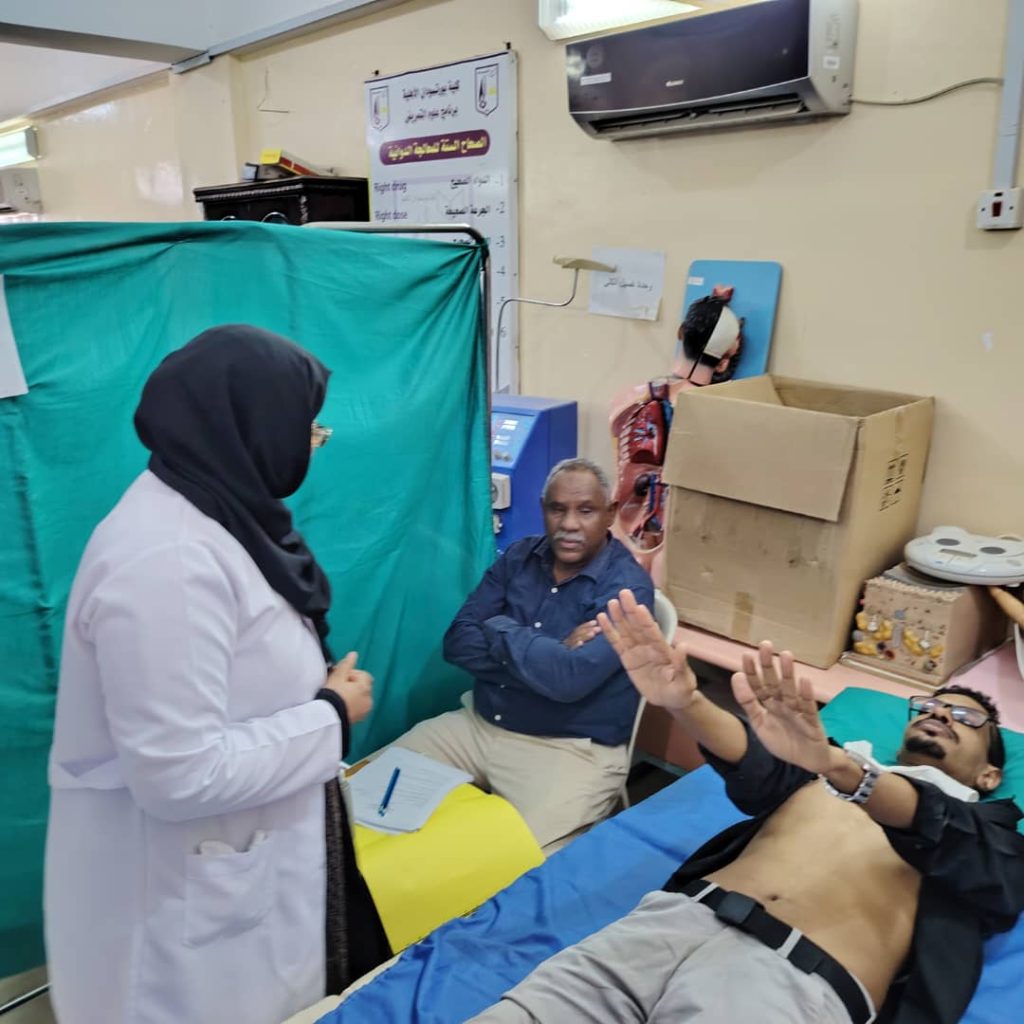
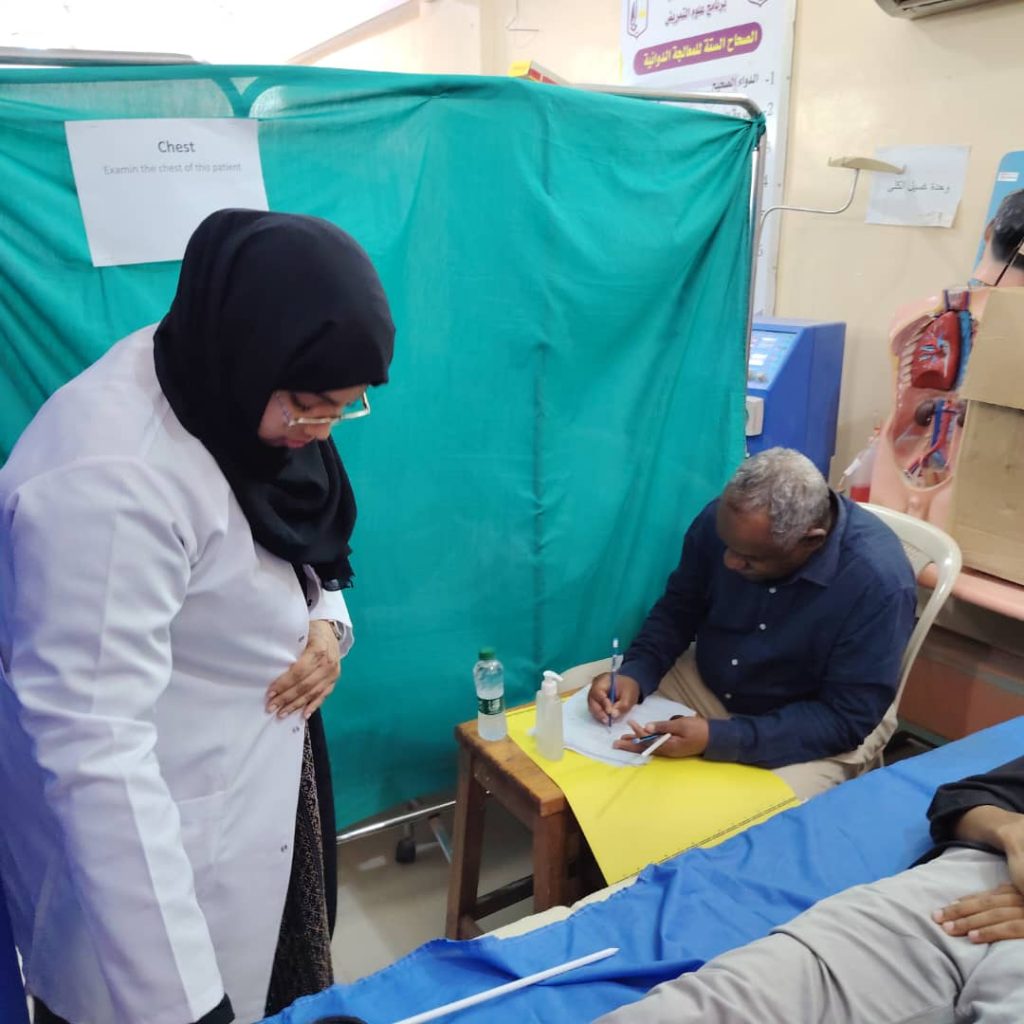
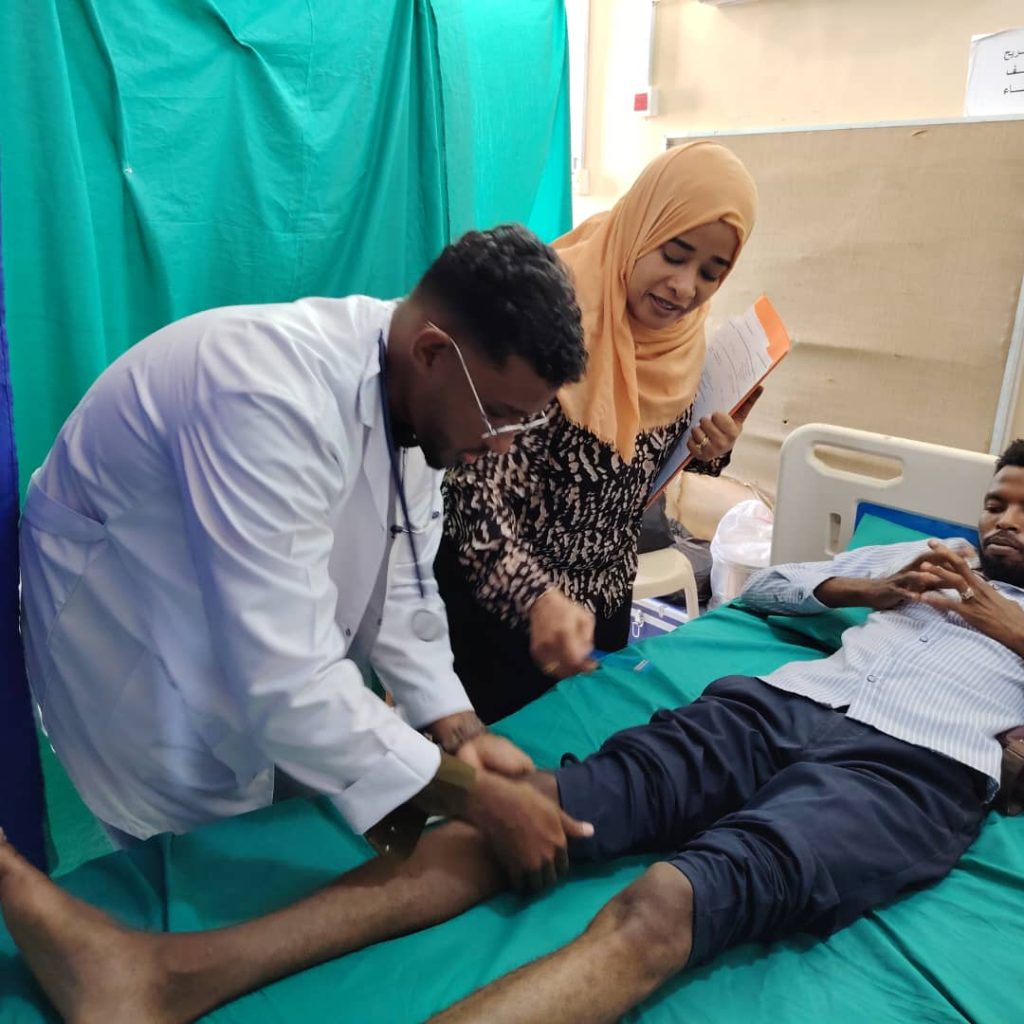
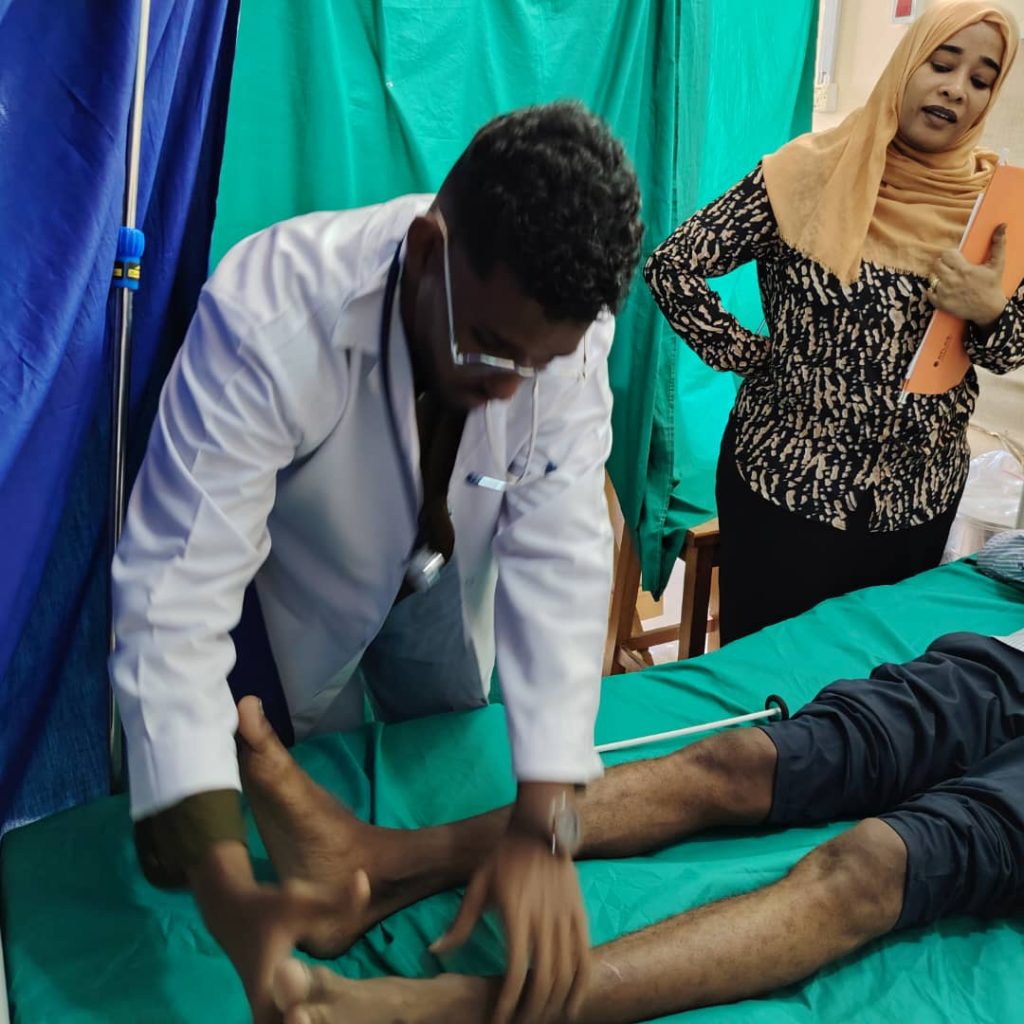
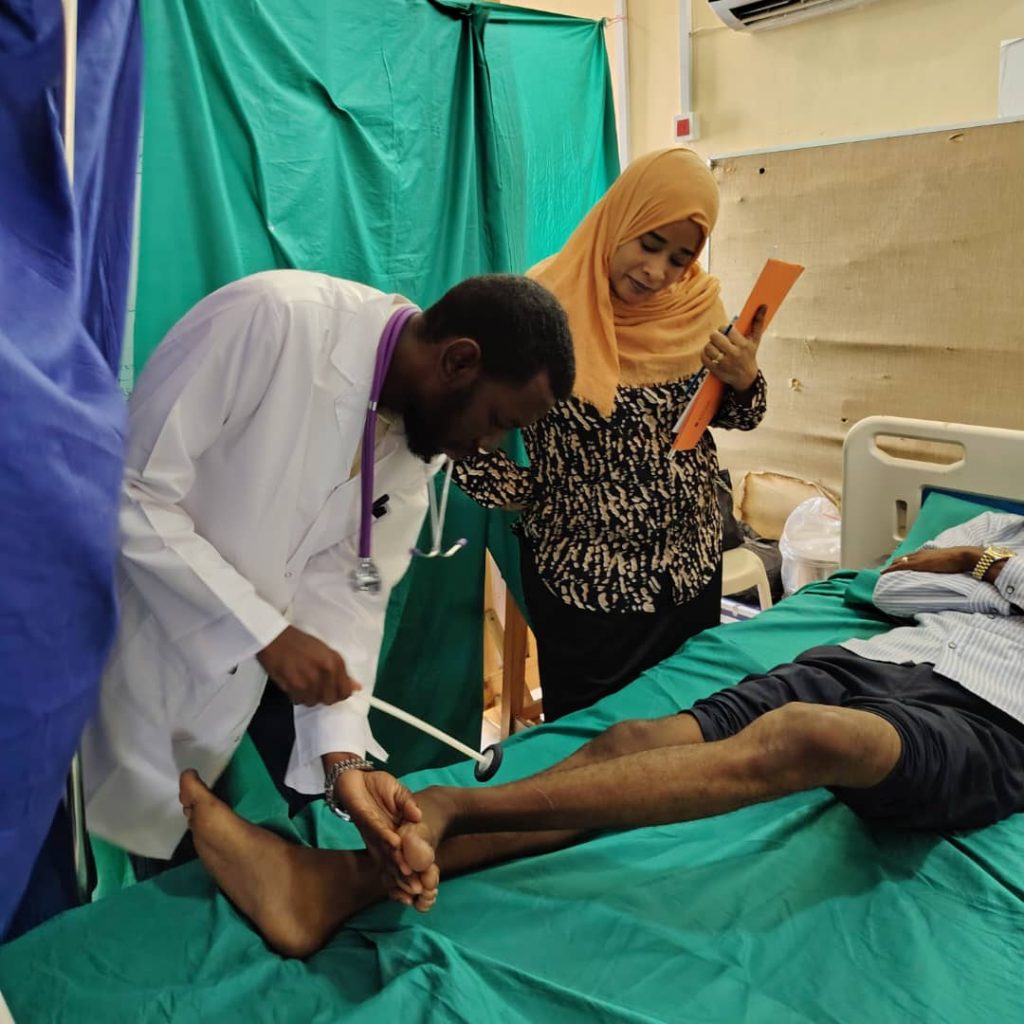
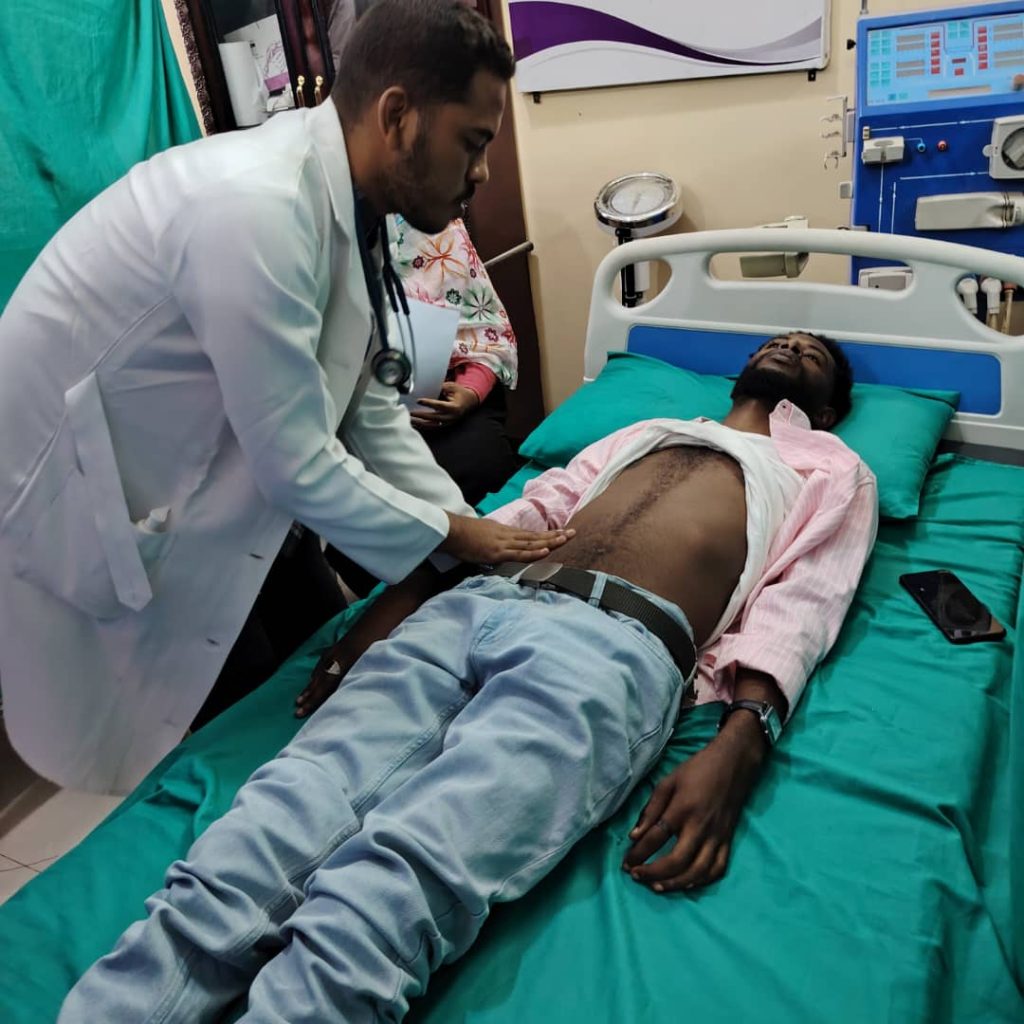
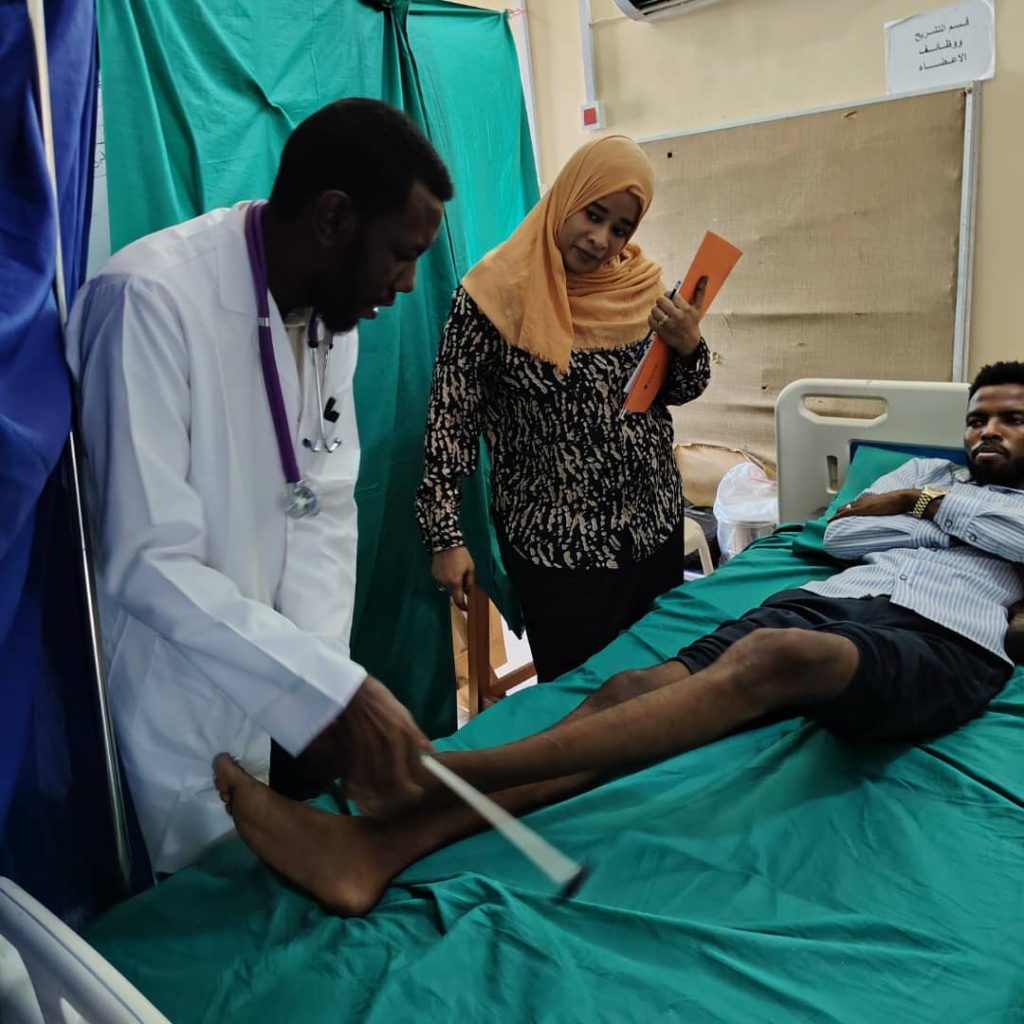
- The ability to perform both a complete and a focused clinical examination in a manner that demonstrates respect for the patient.
- An understanding of the clinical method: the process whereby information obtained from the history, physical examination and laboratory data is formulated into a differential diagnosis.
- The ability to formulate a plan of care that takes into consideration the patient’s goals of care, and the risks, benefits, alternatives and financial consequences of each therapeutic option.
- The ability to find, identify, critically interpret and utilize the relevant information from both printed and electronic media, and apply the scientific method in order to practice informed up-to-date medicine.
- An understanding of the principles of medical scholarship, including literature review, design of hypothesis, formulation of specific aims, identification and application of state-of-the-art methods including statistics, analysis and interpretation of data, and familiarity with the elements of clinical and translational research, and knowledge of the responsible conduct of research.
- The ability to communicate effectively, with patients, patients’ families, colleagues, and others with whom physicians must exchange information in carrying out their responsibilities. These abilities should include, among others, proficiency in the education of patients and families, inquiries about domestic violence, breaking bad news, counseling for behavior modification, obtaining informed consent, and discussions of end of life issues.
- Knowledge of the indications for a core set of medical procedures, as well as the complications of those procedures. Students must demonstrate ability to obtain consent for the procedure, perform the procedure, and to recognize and interpret the results.
- The ability to develop a scientific question, survey the literature, design and carry out a study to address that question, and prepare a written presentation of that work in the form of an independent research project.
- The skills required to be a life-long physician-scholar, including the ability to assess the validity of the literature and apply the scientific method to clinical decision-making
The curriculum structure
- Semester 1:
| COURSE NAME | COURSE CODE | Credit Hours
|
| Islamic Culture (1) | ISL111 | 3(3+0) |
| Arabic Language (1) | ARA112 | 3(3+0) |
| English Language (1) | ENG113 | 3(3+0) |
| Computer Science (1) | COM114 | 3(2+1) |
| Chemistry | CHE115 | 3(2+1) |
| Medical physics | PHY116 | 3(2+1) |
| Biology | BIO117 | 3(2+1) |
| Medical psychology | PSY118 | 2(2+0) |
| Sudanese Culture 1 | SUD119 | 3(3+0) |
| Total credit hours | 26 |
Semester 2
| COURSE NAME | Code | Credit Hours |
| Islamic Culture (2) | ISL121 | 3(3+0) |
| Arabic Language (2) | ARA122 | 3(3+0) |
| English Language (2) | ENG123 | 3(3+0) |
| Computer Science (2) | COM124 | 3(2+1) |
| Anatomy (1) | ANA125 | 6(4+2) |
| Physiology (1) | PYS126 | 5(4+1) |
| Biochemistry (1) | BIO127 | 5(4+1) |
| Sudanese Culture 2 | SUD128 | 3(3+0) |
| Total credit hours | 31 |
Semester 3
| COURSE NAME | COURSE CODE | Credit Hours |
| English Language (3) | ENG | 2(2+0) |
| Anatomy (2) | ANA212 | 6(4+2) |
| Physiology (2) | PYS213 | 5(4+1) |
| Biochemistry (2) | BIO214 | 5(4+1) |
| Community medicine (1) | COM215 | 2(2+0) |
| Medical ethics & professional behavior 1 | MEP216 | 1(1+0) |
| Medical statistics | MST217 | 2(1+1) |
| Total credit hours | 23 |
Semester 4
| COURSE NAME | COURSE CODE | Credit Hours |
| English Language(4) | ENG221 | 2(2+0) |
| Anatomy (3) | ANA222 | 6(4+2) |
| Physiology (3) | PYS223 | 5(4+1) |
| Biochemistry (3) | BIO224 | 5(4+1) |
| Community medicine 1 | COM225 | 2(2+0) |
| Total credit hours | 20 |
Semester 5
| COURSE NAME | COURSE CODE | Credit Hours |
| Nutrition | NUT311 | 2(2+0) |
| Neuroscience | NEU312 | 5(4+1) |
| Microbiology 1 | MIC313 | 5(4+1) |
| pathology 1 | PAT314 | 5(4+1) |
| Community medicine (2) | COM315 | 2(1+1) |
| Total credit hours | 19 |
Semester 6
| COURSE NAME | COURSE CODE | Credit Hours |
| Pathology (2) | PAT321 | 5(4+1) |
| Microbiology(2) | MIC322 | 5(4+1) |
| Pharmacology(1) | PHA323 | 2(2+0) |
| Community medicine (3) | COM324 | 2(1+1) |
| Total credit hours | 14 |
Semester 7
| COURSE NAME | COURSE CODE | Credit Hours |
| Pathology (3) | PAT411 | 5(4+1) |
| Microbiology (3) | MIC412 | 5(4+1) |
| Pharmacology (2) | PHA413 | 2(2+0) |
| Medical ethics & professional behavior (2) | MEP414 | 1 |
| Clinical skills(1)+
Communication skills1 |
CSK415 | 2(1+1) |
| Total credit hours | 15 |
Semester 8
| COURSE NAME | COURSE CODE | Credit Hours |
| Pathology (4) | PAT421 | 5(4+1) |
| Microbiology (4) | MIC422 | 5(4+1) |
| Forensic medicine | FOM423 | 3(2+1) |
| Dermatology& STDs | DER424 | 2(1+1 |
| Clinical Skill’s (2) Communication skills2
|
CSK425 | 2(1+1) |
| Medicine (1) | MED426 | 2(2+0) |
| Surgery (1) | SUR427 | 2(2+0) |
| Total credit hours | 21 |
Semester 9
| COURSE NAME | COURSE CODE | Credit Hours |
| Medicine (2) | MED511 | 4(2+2) |
| Surgery (2) | SUR512 | 4(2+2) |
| Pediatrics (1) | PED513 | 4(2+2) |
| Obstetrics& gynecology (1) | OBG514 | 4(2+2) |
| Anesthesia | ANE515 | 2(1+1) |
| Ophthalmology | OPH516 | 2(1+1) |
| Community medicine (4) | COM517 | 2(0+2) |
| Psychiatry | SYC518 | 2(1+1) |
| Total credit hours | 24 |
Semester 10
| COURSE NAME | COURSE CODE | Credit Hours |
| Medicine (3) | MED521 | 4(2+2) |
| Surgery (3) | SUR522 | 4(2+2) |
| Pediatrics (2) | PED523 | 4(2+2) |
| Obstetrics& gynecology (2) | OBG524 | 4(2+2) |
| Radiology | RAD525 | 2(1+1) |
| Ear, Nose, Throat | ENT526 | 2(1+1) |
| Orthopedics (1) | ORT527 | 2(2+0) |
| Research project | RES528 | 2 |
| Total credit hours | 24 |
معرض الصور